Lakota Culture
Wačhípi — powwow — a Native American tradition
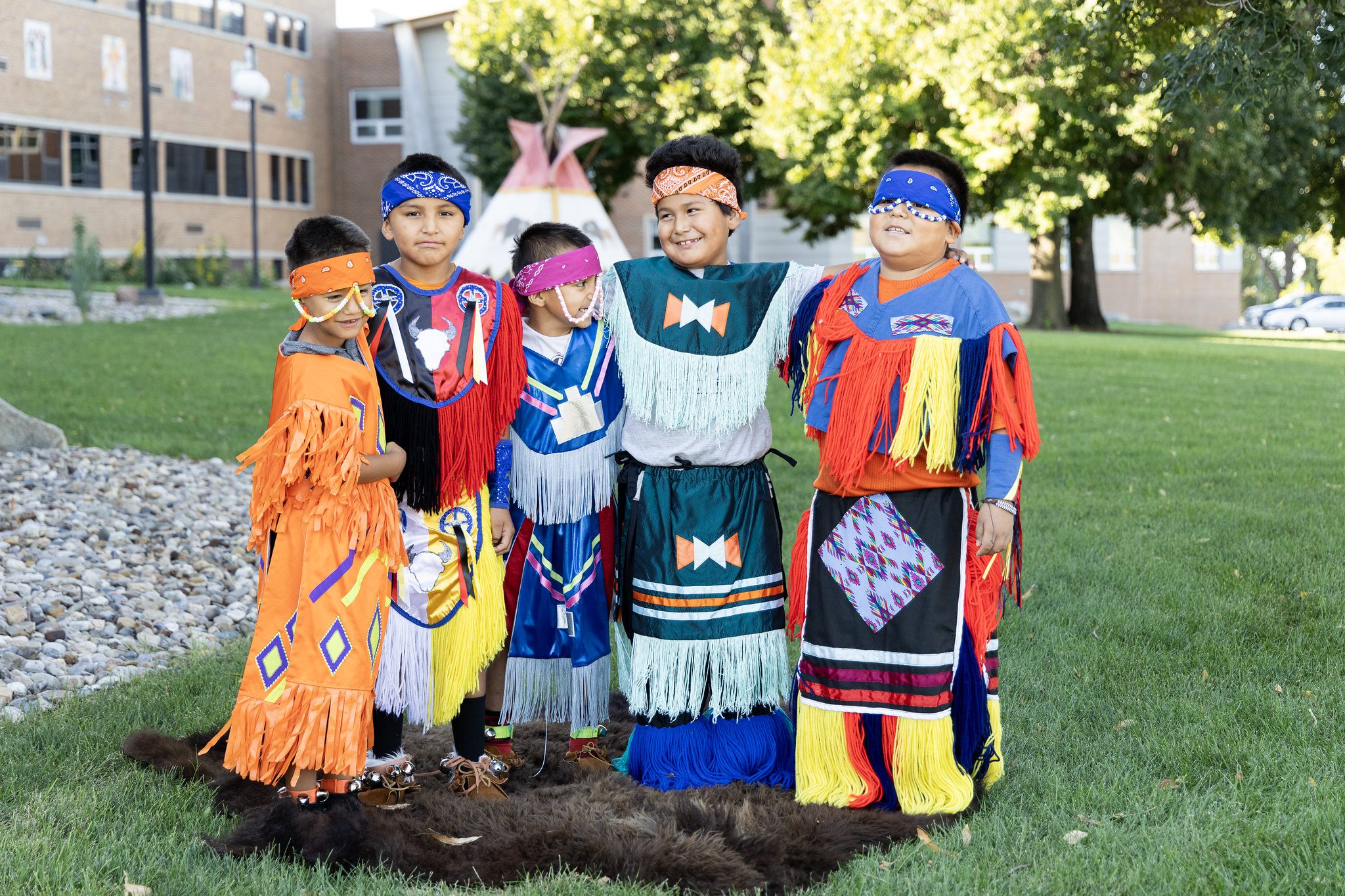
A wačhípi — powwow — is a Native American gathering focused on dance, song and family celebration. Powwows celebrate the connections to tradition and spirituality, to the Earth and to one another in a social, personal and spiritual meeting.
Powwows began mainly as religious ceremonies to gain wisdom from and give thanks to Wakȟáŋ Tȟáŋka — Great Spirit. Though many of today’s powwows have evolved into social and contest-oriented dances, religious and ceremonial dances are still performed.
Dancers in colorful regalia gracefully move around the circle, with the drum beat directing their movements. The tradition is passed from one generation to the next.
Attend a Powwow
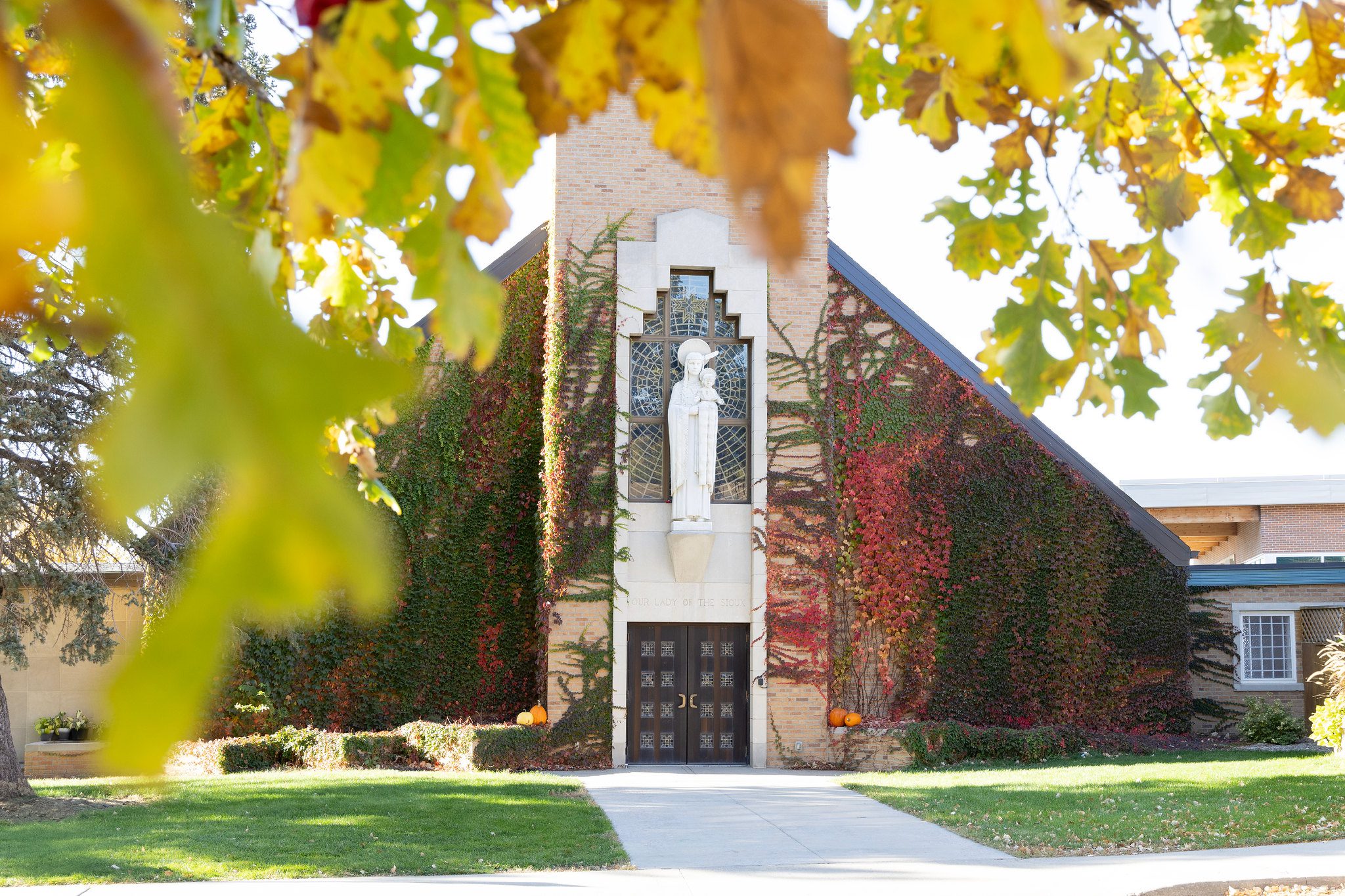
Each year, St. Joseph’s hosts an annual weekend of Lakota culture on our Chamberlain, South Dakota campus.
All people are welcome to St. Joseph’s Indian School’s annual powwow. It is a valuable and fascinating cultural experience for those unfamiliar with the rich traditions of our Lakota brothers and sisters.
Women’s Dance Styles
Women began participating in the dance circle around 1953. Before that time, they were not permitted in the dance arena and stood in the background — usually behind the drums — and sang. Today, women have three styles of dance and regalia.
Traditional Dance
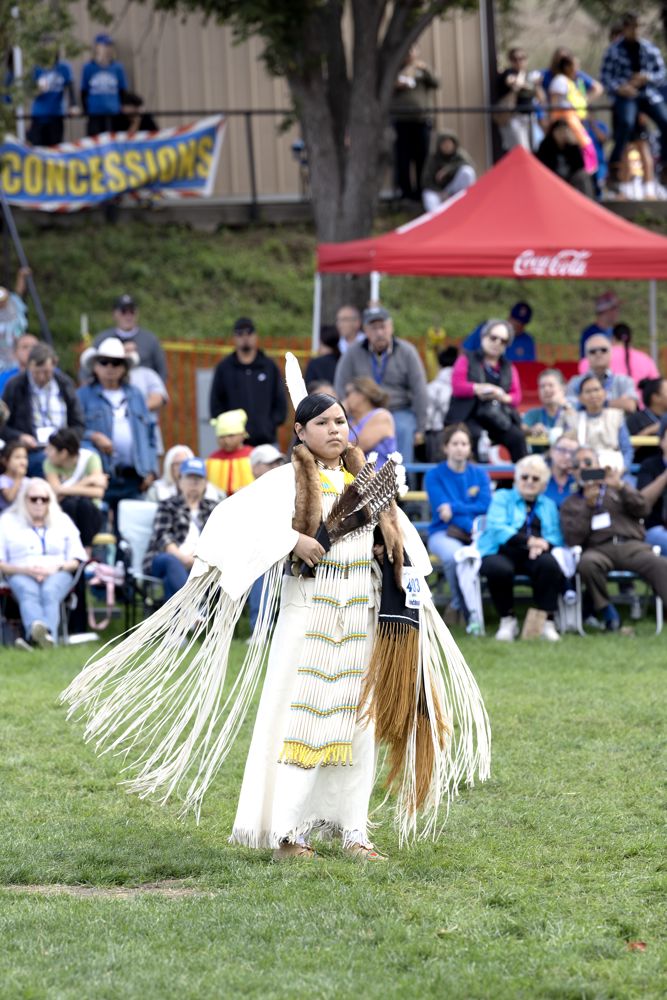
Native American women are regarded as the life-giving force that nurtures the next generation of youth. Traditional dancers wear long, beautiful buckskin dresses or trade cloth adorned with meaningful designs made from beads, animal teeth, quillwork, shells and ribbon. Most dancers carry a shawl draped over their arm and a feathered fan in their hand as they move in a stationary manner on the outside of the circle.
During the honor beats — the stronger, louder and slower beats heard in the song — they lift their feather fan to show their pride and appreciation for the Creator’s blessings.
Fancy Shawl Dance
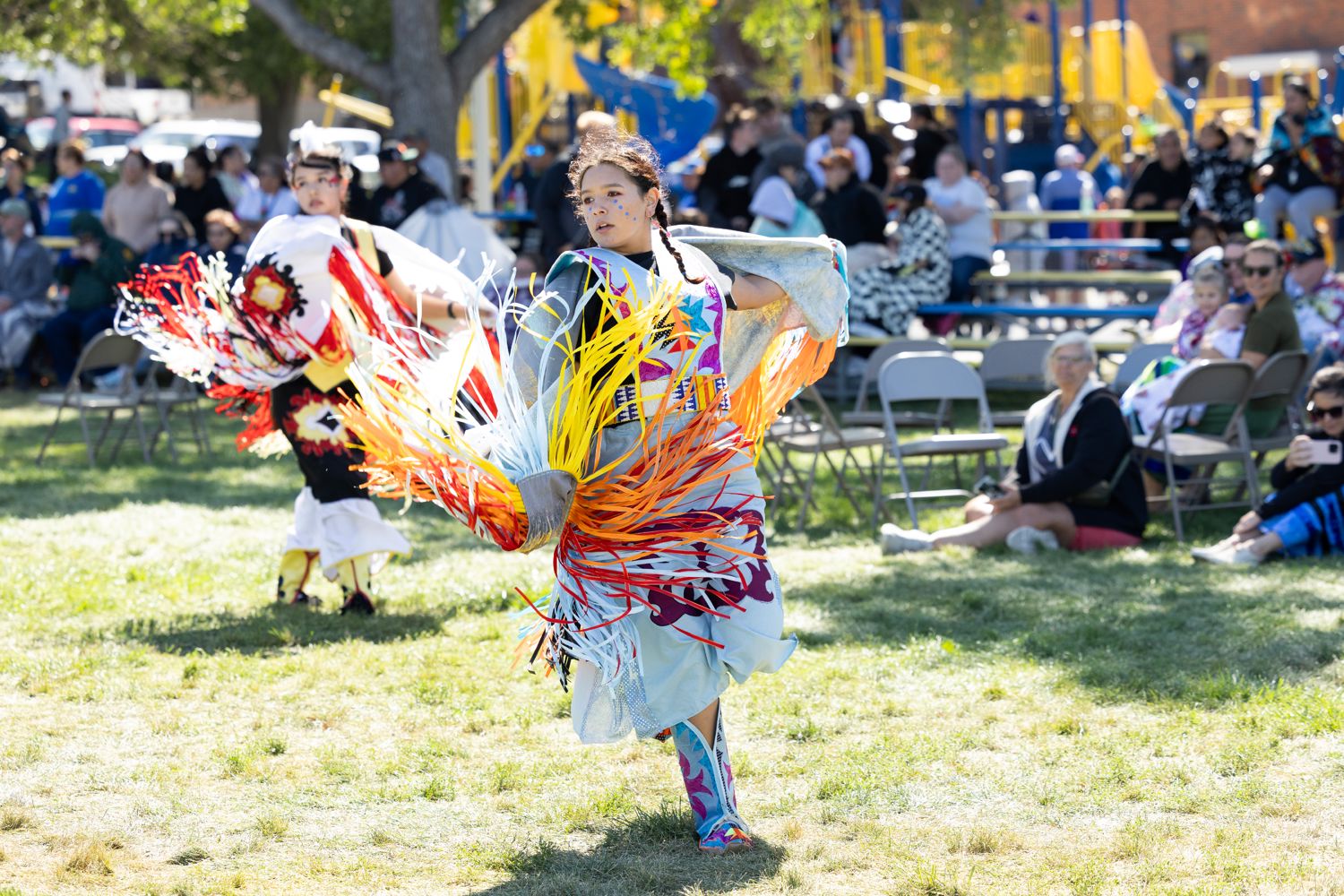
The first impression people often have of the women’s fancy dancers is that of butterflies. Dancers wear decorated shawls that complement a satin dress and knee-high beaded moccasins or decorated leggings.
The faster pace of the drum challenges dancers to keep in time with the beat while coordinating their fancy footwork and graceful movements.
Jingle Dress Dance
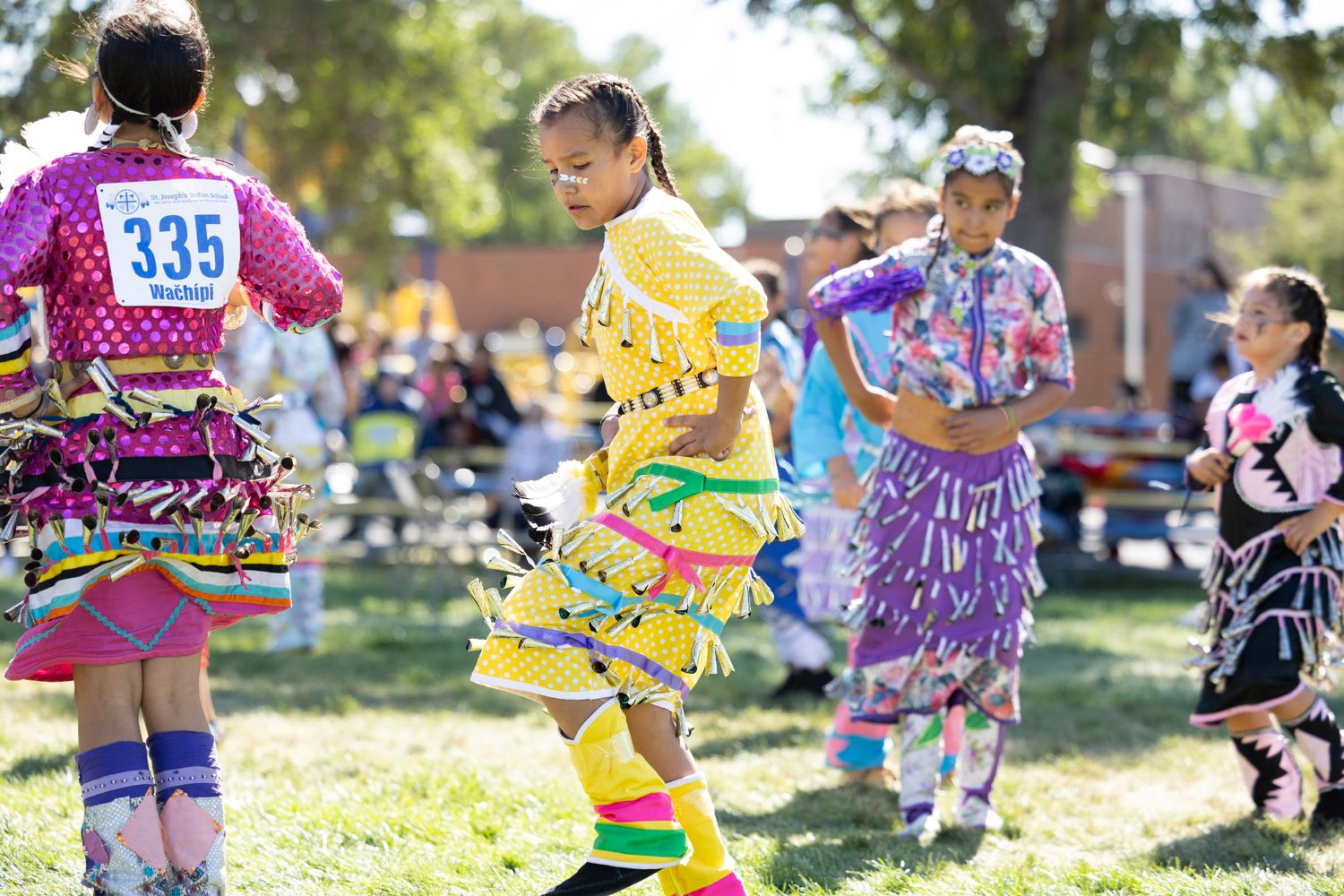
The Jingle Dress Dance came by way of a holy man’s vision. The holy man was providing care for a sick girl when a dream came to him. In his dream, four girls wearing dresses adorned with tiny cones — which made a very distinct sound — danced for the healing of the little girl. Upon his awakening, he instructed his wife to make dresses and found girls to dance. The sick girl was healed!
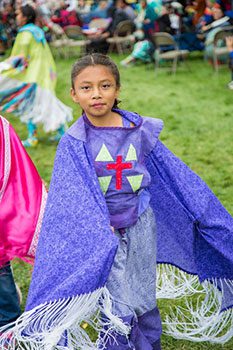
The Jingle Dress Dance has been around for approximately 100 years. Tribes of the Plains borrowed the dance from the Chippewa tribes of the Great Lakes region. This dance style is very popular among young female dancers. You can hear them coming from a distance as their many metal cones make a unique jingle sound!
Men’s Dance Styles
Long ago, the Lakota (Sioux) people would dance to celebrate the coming of spring and their relationship with the Earth. Dance was a form of prayer thanking Wakȟáŋ Tȟáŋka — Great Spirit — for another year of life.
Traditional Dance
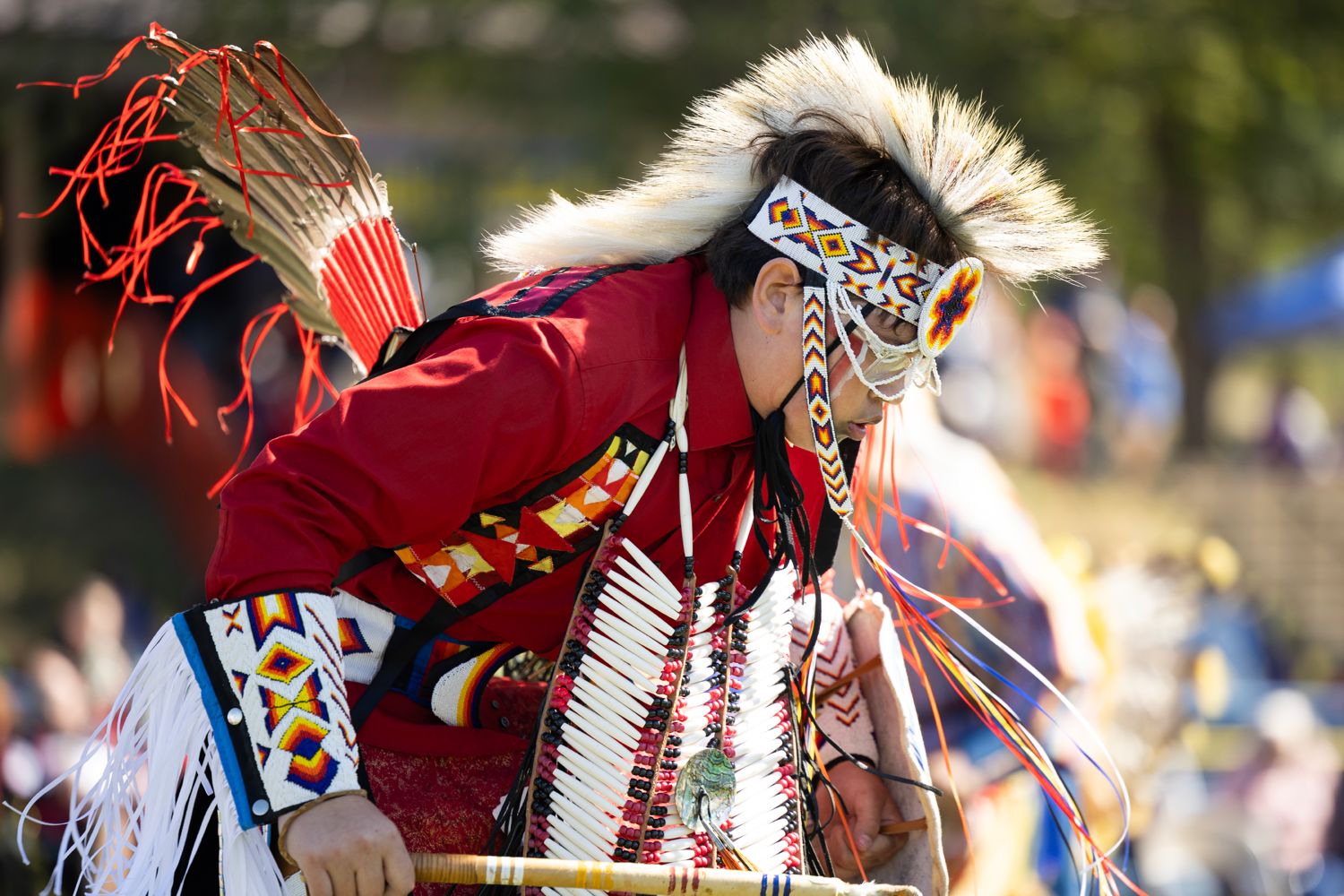
The men’s Traditional Dance provides an image of past warriors who would return from hunting or battle and tell their story through dance. The feathers worn by the dancers are arranged in a single bustle and worn on their lower back. The bustles and other regalia are symbolic of a dancer’s relationship with nature and connection to the Great Spirit.
Some regalia takes years to complete; some is handed down through generations of a family and may be over 100 years old. Songs for this dance are sung at a slower pace as the words reflect the honor traditional dancers feel when asked to protect the people.
Fancy Dance
This contemporary dance style is FAST, exciting and full of color! The Fancy Dance was introduced during the reservation era when tribes from the southern plains conducted large gatherings for spectators who wanted to witness a war dance.
The dancers carry twirling spinners as they hop, jump, skip and perform acrobatic movements throughout the dance. The best dancers are able to keep in time to the extremely fast drumbeat and stop on the last beat of the drum.
Grass Dance
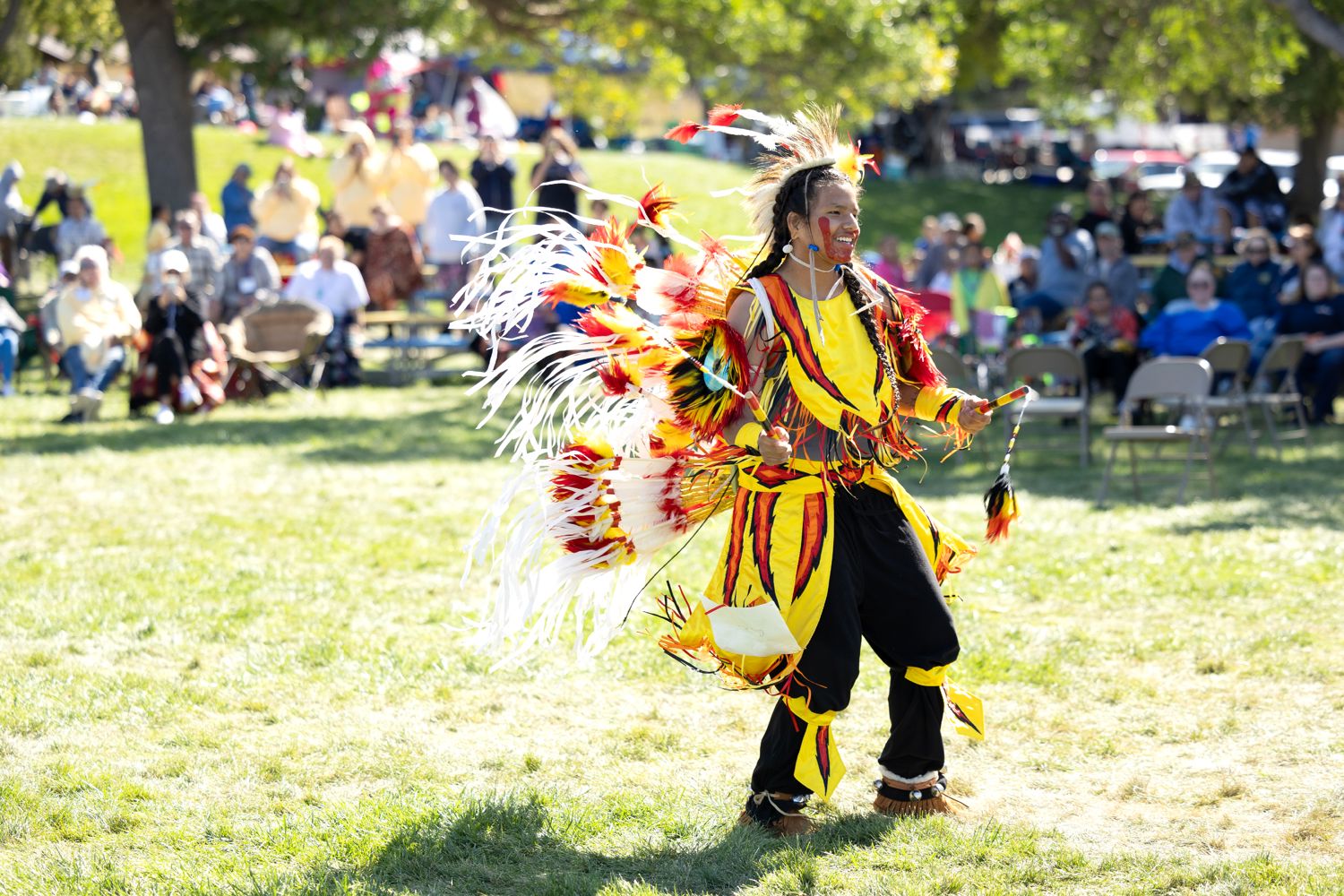
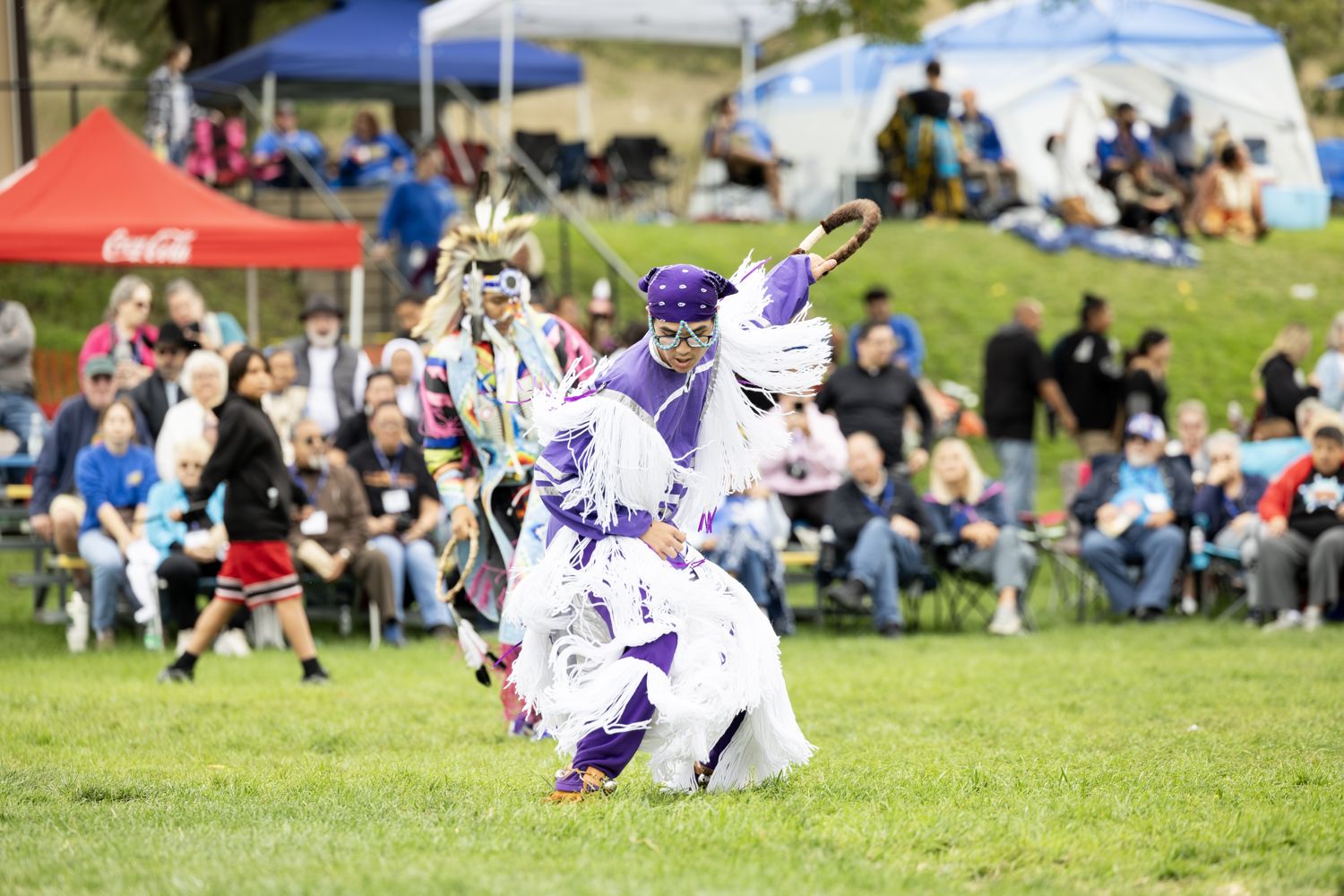
The Grass Dance, or Omaha Dance, was originally a ceremonial dance to celebrate the people’s relationship with Mother Earth. The regalia is unique because it has almost no feathers; it consists of a shirt and trousers with colorful fringe attached.
Today, the Grass Dance is very popular among younger dancers. The dancers try to emulate the movement of the grass blowing in the breezes of the Great Plains as they sway from side to side.
Before You Go
Powwow Etiquette
Powwow etiquette at its most basic is simply the use of common courtesy and respect for others.
Powwows can be very busy events with lots of action going on at once, which is why one of the first expectations of powwow etiquette is to listen carefully. The Master of Ceremonies may announce it’s time to stand and remove your hat for an honor song. Please follow the request just as you would for the National Anthem. The Master of Ceremonies will also tell you who is to dance and whether the audience may participate. Remember to allow elders to go first and listen carefully whenever they speak.
Items carried or worn by dancers should be called outfits or regalia. Dancers dress to honor the spiritual connection they have with nature and Wakȟáŋ Tȟáŋka — Great Spirit. Outfits can sometimes take years to put together. Each piece is intricate; they can be costly and may be family heirlooms. Please do not refer to these cherished possessions as a “costume.” Spectators should also show respect for dancers by asking permission before taking a photo or touching any part of their regalia. Politely ask permission if you want to use a camera or record video. Pictures or recordings should only be used for personal purposes — not commercial. Alcohol and drug use are not allowed.
Most Native Americans are glad to share their culture with those who are genuinely interested. A good way to learn is to find a friendly participant and ask questions. Pay attention to the Master of Ceremonies and to what people around you are doing, and you will have no problems enjoying the powwow!